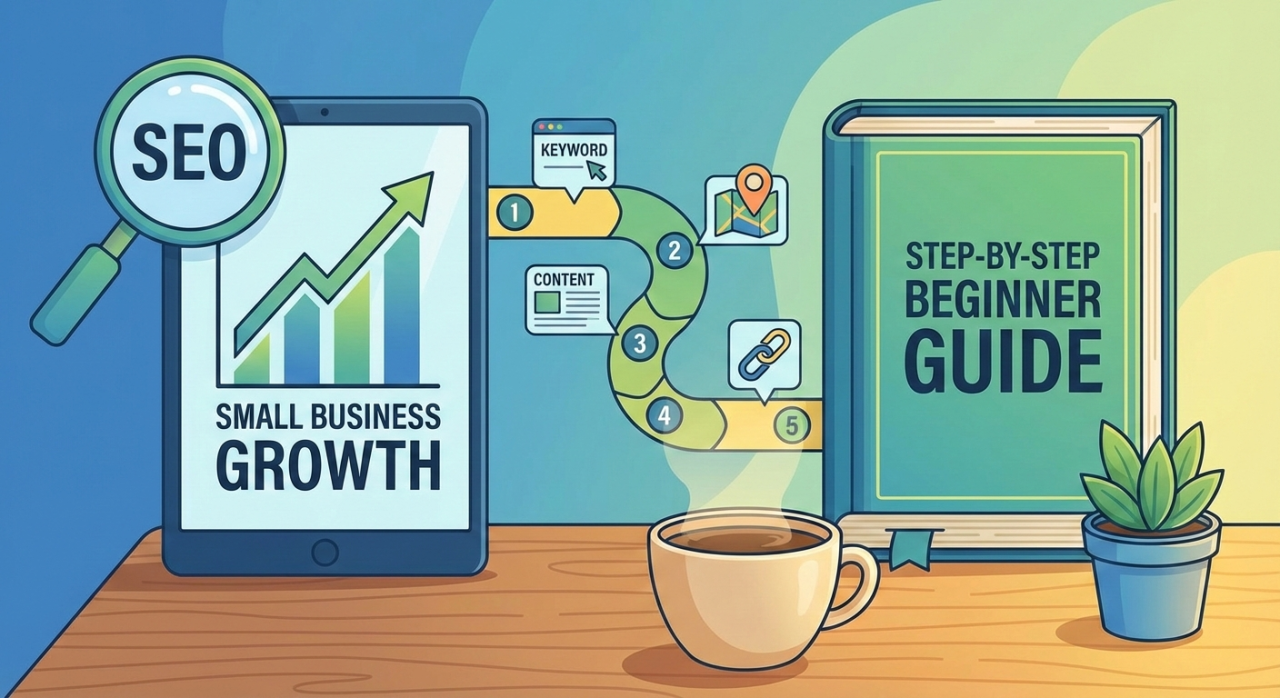
Small businesses often face tough competition online, but you don’t need a massive marketing budget to stand out. On-page SEO is one of the most powerful ways to improve your search engine visibility, attract more visitors, and build credibility. Best of all, it optimizes your existing content and website structure for long-term growth.
To drive more traffic without paying for ads, let’s break down the essential steps.
What is On-Page SEO?
On-page SEO is the process of optimizing the content and elements on your website so search engines can better understand your pages, and so users enjoy a smooth, helpful browsing experience.
The core pillars of on-page SEO include:
- High-quality, keyword-focused content.
- Optimized meta tags (title & description).
- Clean URLs.
- Proper image formatting and alt text.
- Mobile responsiveness.
Key On-Page SEO Steps for Small Businesses
1. Start with Smart Keyword Research
Before writing any page, identify the keywords your target customers are searching for.
- Use tools like Google Keyword Planner, AnswerThePublic, or Ubersuggest.
- Focus on both primary keywords (e.g., “best coffee shop in Madinah”) and related terms (like “artisanal coffee” or “local cafe near me”).
2. Optimize Your Content for Users & Search Engines
Once you’ve identified your keywords, create valuable content that answers questions and solves problems.
- Use your target keyword in the first 100 words.
- Include it naturally in H1, H2, and H3 headings.
- Write for humans first, and avoid overstuffing keywords.
3. Craft Click-Worthy Title Tags & Meta Descriptions
Your title and meta description appear in search results, so make them enticing!
Example:
Title: Best Coffee Shop in Madinah | Cozy Atmosphere & Fresh Brews
Meta Description: Discover Madinah’s favorite coffee spot! Serving artisan blends, baked goods, and offering free Wi-Fi.
4. Use Clean and Descriptive URLs
Clear URLs improve both user trust and search engine clarity.
Bad URL:yoursite.com/blog?id=123
Optimized URL:yoursite.com/category/seo-friendly-blog-for-small-businesses
5. Optimize Images
Help search engines understand your images and improve page load speed:
- Rename images descriptively (e.g.,
dark-roast-coffee.jpg). - Add descriptive alt text: “Freshly brewed dark roast coffee at Fresh Beans Cafe.”
- Compress files to boost loading speed.
6. Strengthen Internal Linking
Guide visitors and search engines through your site by adding relevant internal links. Link product mentions, related blog posts, and service pages to create a well-connected website.
7. Ensure Mobile-Friendliness
With most searches now happening on mobile, your site must perform flawlessly on smartphones and tablets. Test your site using Google’s Mobile-Friendly Test and fix any display issues.
Technical SEO Health Checks
- Speed: Test with Google PageSpeed Insights and address any bottlenecks.
- Broken Links: Use Screaming Frog or Ahrefs to fix broken pages.
- Schema Markup: Add structured data to enhance your listings with reviews, event info, and FAQs.
User Experience and SEO: A Winning Combo
User engagement signals influence your rankings. Improve both UX and SEO by:
- Breaking content into easy-to-read sections.
- Using bullet points and headings.
- Adding clear calls to action (CTAs) like “Book Your Free Consultation.”
Local SEO: Don’t Forget Your Neighborhood
If your business serves a local area, take these extra steps:
- Claim and fully optimize your Google Business Profile.
- Add local keywords: “SEO consultant in (mention your location).”
- Encourage and respond to customer reviews.
Keep Monitoring and Improving
SEO is never a one-time task. Use Google Analytics and Search Console to track:
- Traffic changes.
- Keyword rankings.
- User engagement metrics (bounce rate, session time).
Test new meta tags, adjust content, and refine internal links over time.
Final Thoughts
On-page SEO offers small businesses a cost-effective path to higher rankings and better visibility. Focus on clear, helpful content, technical health, and user experience, and you’ll not only improve your search performance but also build long-term customer trust.
Start optimizing today, and let your audience find you!
Recommended Reading: SEO for Small Businesses in 2026: A Complete Step-by-Step Beginner Guide