
Competing against industry giants with six-figure SEO budgets feels like a David vs. Goliath battle. But in 2026, the “Goliaths” have a weakness: they focus so much on high-volume head terms that they leave massive gaps in specific, high-intent niches.
When considering your options, knowing how to find low competition keywords free will give you an edge.

For small business owners, the secret isn’t outspending the competition—it’s outsmarting them. By learning how to find low competition keywords free, you can capture “ready-to-buy” traffic that the big players are too busy to notice.
Learning how to find low competition keywords free is crucial for any small business looking to improve its online presence.
Table of Contents
Why Low Competition Keywords are the “Great Equalizer”
Utilizing resources to discover how to find low competition keywords free can lead to significant growth and visibility in search results.
By mastering how to find low competition keywords free, you position yourself to attract a dedicated audience.
Utilizing insights on how to find low competition keywords free can optimize your website’s performance.
Mastering how to find low competition keywords free will empower your content creation process.
A solid grasp of how to find low competition keywords free helps you establish authority in your niche.
In SEO, “Keyword Difficulty” (KD) measures how hard it is to crack the Top 10 on Google. High-volume terms like “shoes” or “SaaS” are saturated with established domains.
For a newer site or a small business, targeting these is an uphill battle. Instead, focusing on low competition keywords for blogs—specifically those with a KD of 0-30—allows you to:
- Rank Faster: See results in weeks rather than months.
- Target Intent: Long-tail keywords often have higher conversion rates.
- Build Authority: These “small wins” signal to Google that your site is a reliable source, eventually helping you rank for harder terms later.
Understanding the mechanics of how to find low competition keywords free can lead to faster rankings.
The Google “Goldmine”: 3 Free Native Methods
Strategies for how to find low competition keywords free can be the game changer in your SEO efforts.
When it comes to SEO, knowing how to find low competition keywords free is invaluable.
This guide on how to find low competition keywords free will empower you to beat larger competitors.
You don’t need a premium subscription to see what people are searching for. Google provides the data for free if you know where to look.
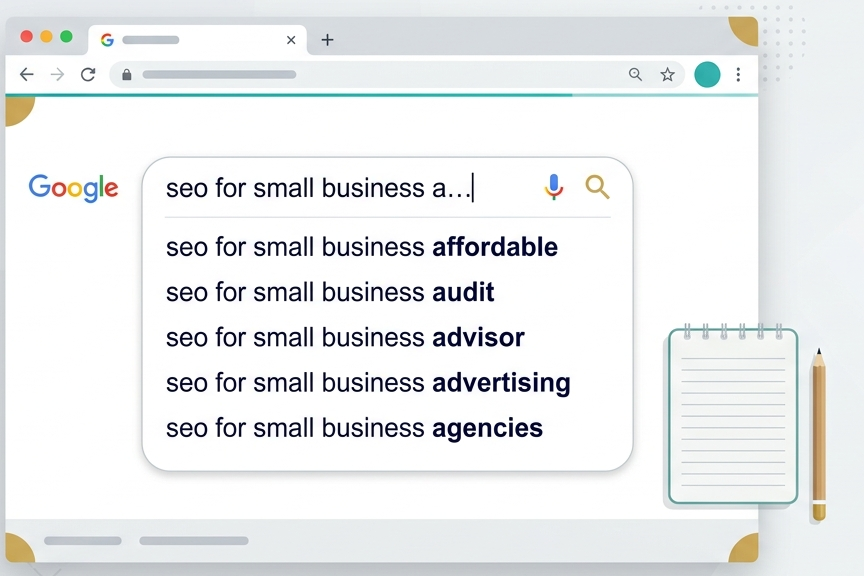
1. The Alphabet Soup Method (Autocomplete)
Start typing your main topic into the Google search bar followed by a letter (e.g., “seo for small business a…”). Google will suggest real queries. These are untapped keywords for SEO because they are based on rising trends that paid tools often haven’t indexed yet.
Understanding how to find low competition keywords free can dramatically improve your content strategy.
2. “People Also Ask” (PAA) Deep-Dives
The PAA box is a treasure trove of long-tail keywords for SEO. Every time you click a question, Google generates three more. This is essentially a map of your customer’s pain points. Answering 3–5 of these in a single blog post is a shortcut to ranking in the Featured Snippet.

Incorporating how to find low competition keywords free into your marketing plan is essential for success.
Every marketer should know how to find low competition keywords free for effective online campaigns.
3. Google Search Console (The “Hidden Gem” Strategy)
If your site is already live, Search Console is your best friend. Look for keywords where you have high impressions but low clicks. This means you are already appearing on Page 2 or 3. A slight optimization of your Title Tag or H2s can push these into the Top 10 almost overnight.
The “Manual Audit”: How to Spot Easy-to-Rank Keywords
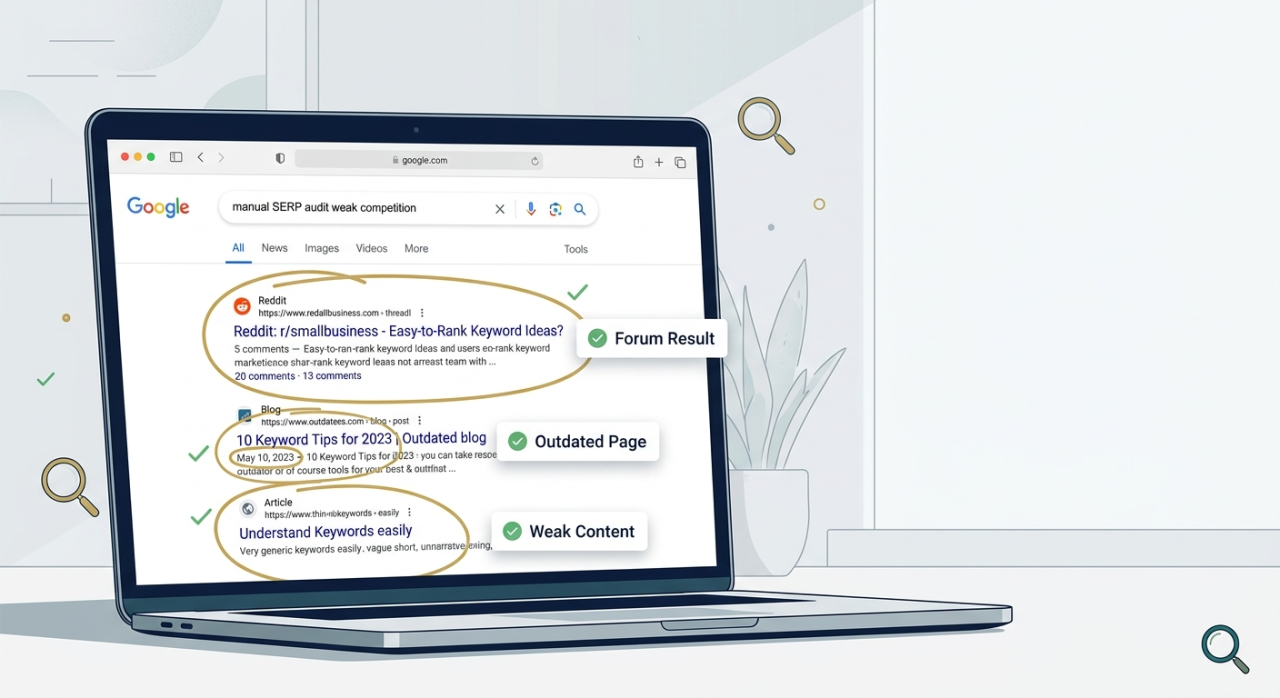
Even if a tool says a keyword is “Easy,” you should verify it manually. A keyword is truly low competition if the Top 10 results include:
- Forums: Results from Reddit, Quora, or niche-specific forums.
- Thin Content: Articles under 500 words or outdated posts (2+ years old).
- Low Relevancy: The title of the ranking page doesn’t exactly match the search query.
In conclusion, your success in digital marketing hinges on how to find low competition keywords free.
If you see a Reddit thread on Page 1, that is a “Green Light.” It means Google couldn’t find a high-quality blog post to satisfy the user, so it’s waiting for you to write one.
To wrap up, learning how to find low competition keywords free is essential for today’s marketers.
Exploring how to find low competition keywords free is key to aligning with audience interests.
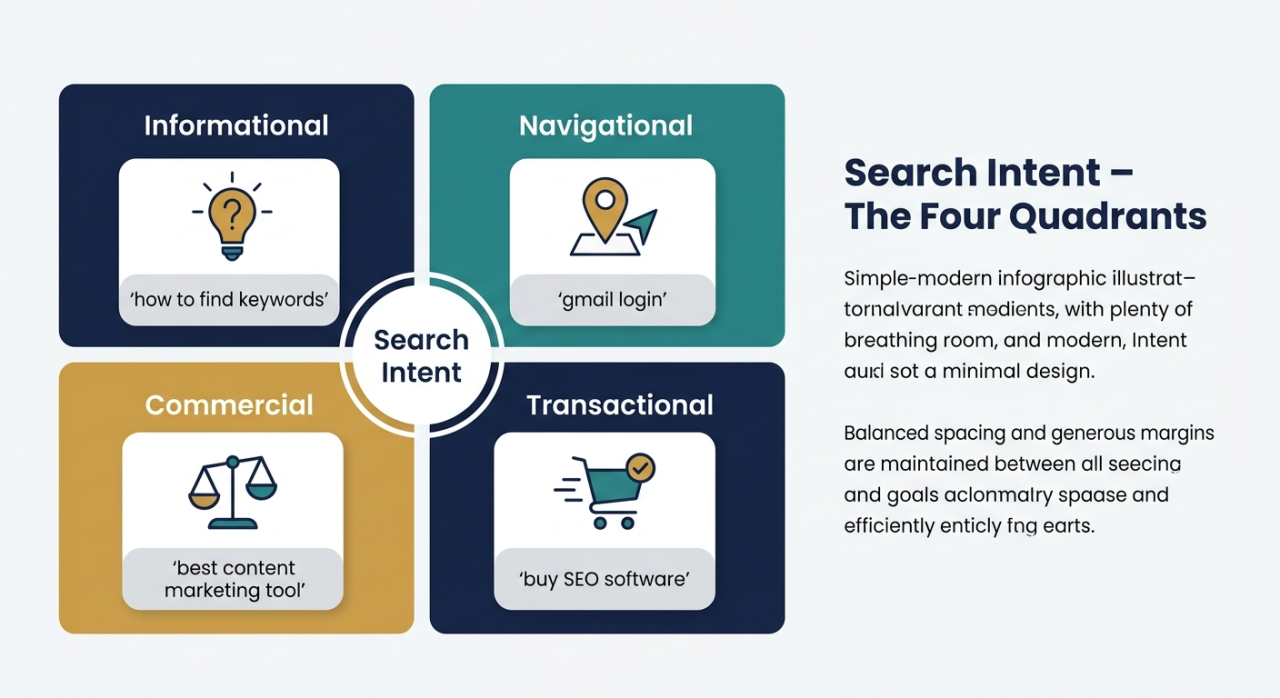
Aligning with Search Intent: The 4 Quadrants
Ranking won’t help your business if the user isn’t looking for what you offer. Every keyword falls into one of these buckets:
With the right tools, how to find low competition keywords free can be a straightforward process.
| Intent Type | Example Query | Goal |
| Informational | “how to find keywords for seo free” | Educate & build trust. |
| Navigational | “Meet Thy Need blog” | Help users find you. |
| Commercial | “best free seo keyword research tool” | Influence a future purchase. |
| Transactional | “hire small business seo consultant” | Close the sale. |
What is a good keyword difficulty for small businesses?
Aim for keywords with a difficulty score of 0-30. This range represents “low competition” and offers the highest chance of ranking without a massive backlink profile.
Can I do keyword research for free in 2026?
Yes. Between Google’s native tools (Search Console, PAA, Autocomplete) and the free tiers of tools like AnswerThePublic, you can build a full 12-month content calendar without spending a dollar.
What are long-tail keywords?
Long-tail keywords are specific, multi-word phrases (e.g., “organic dog food for senior pugs”). They have lower search volume but much higher conversion intent than broad terms
How often should I update my keyword strategy?
You should review your Search Console data monthly to find new “easy to rank” keywords that your content is starting to pick up naturally.